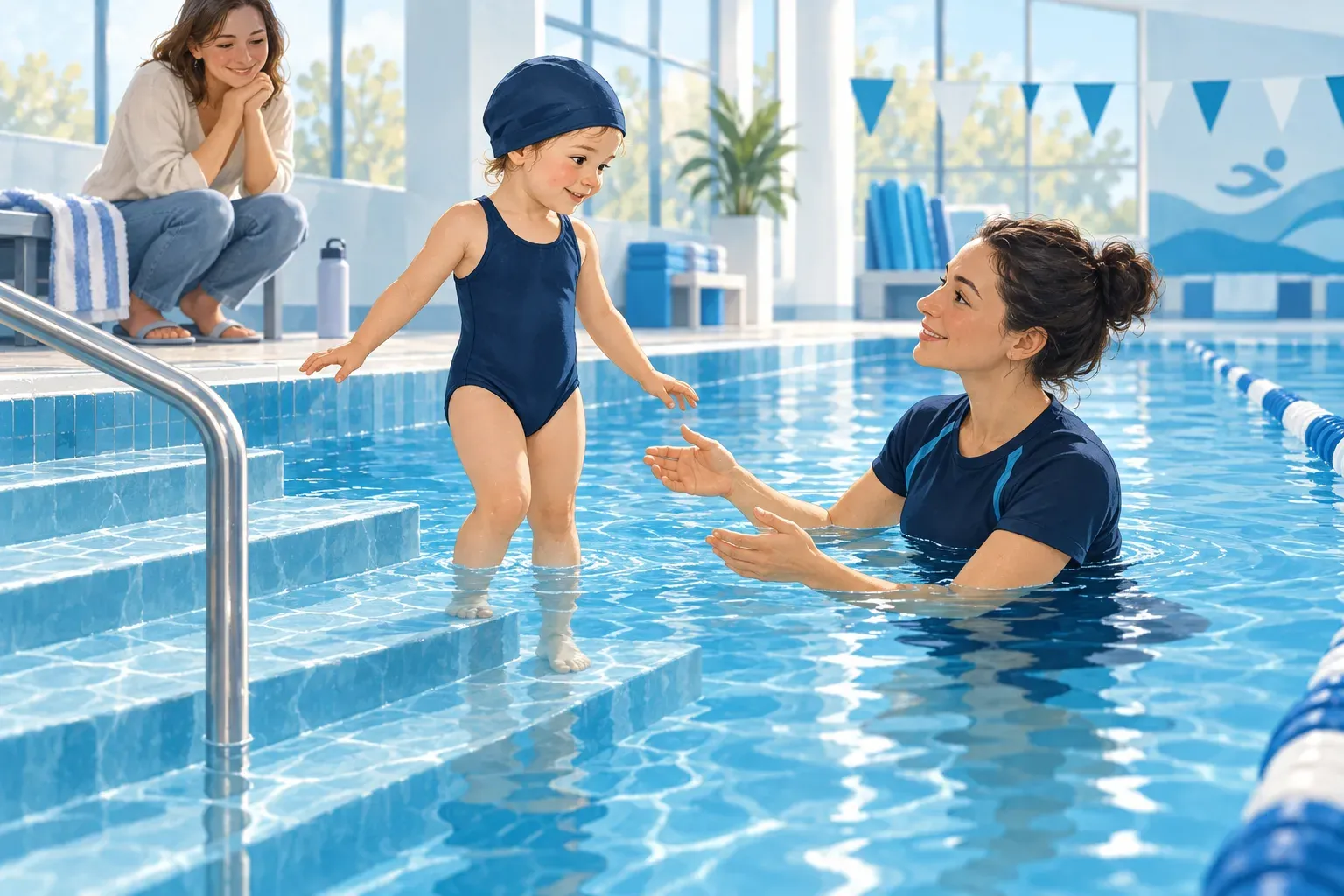
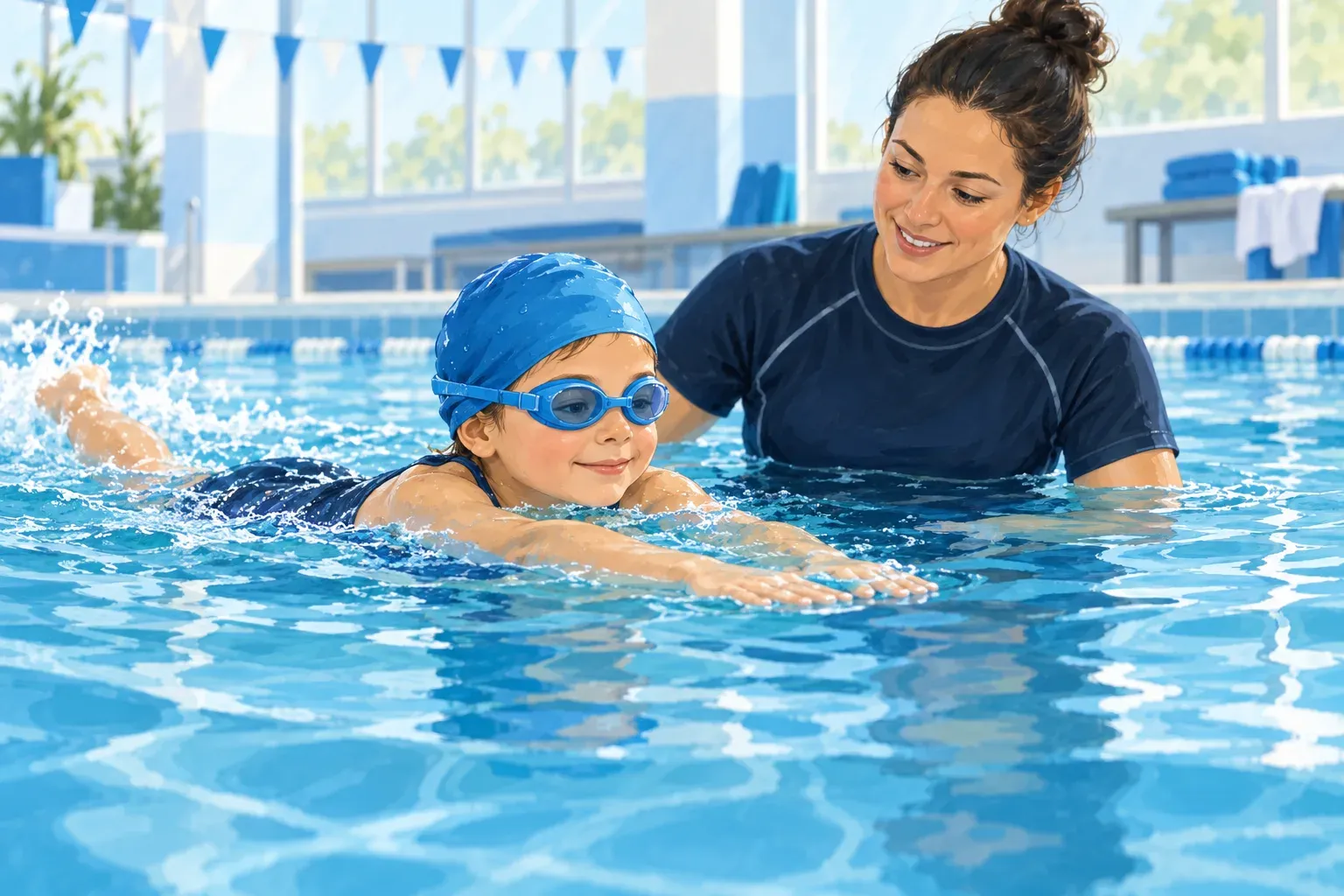
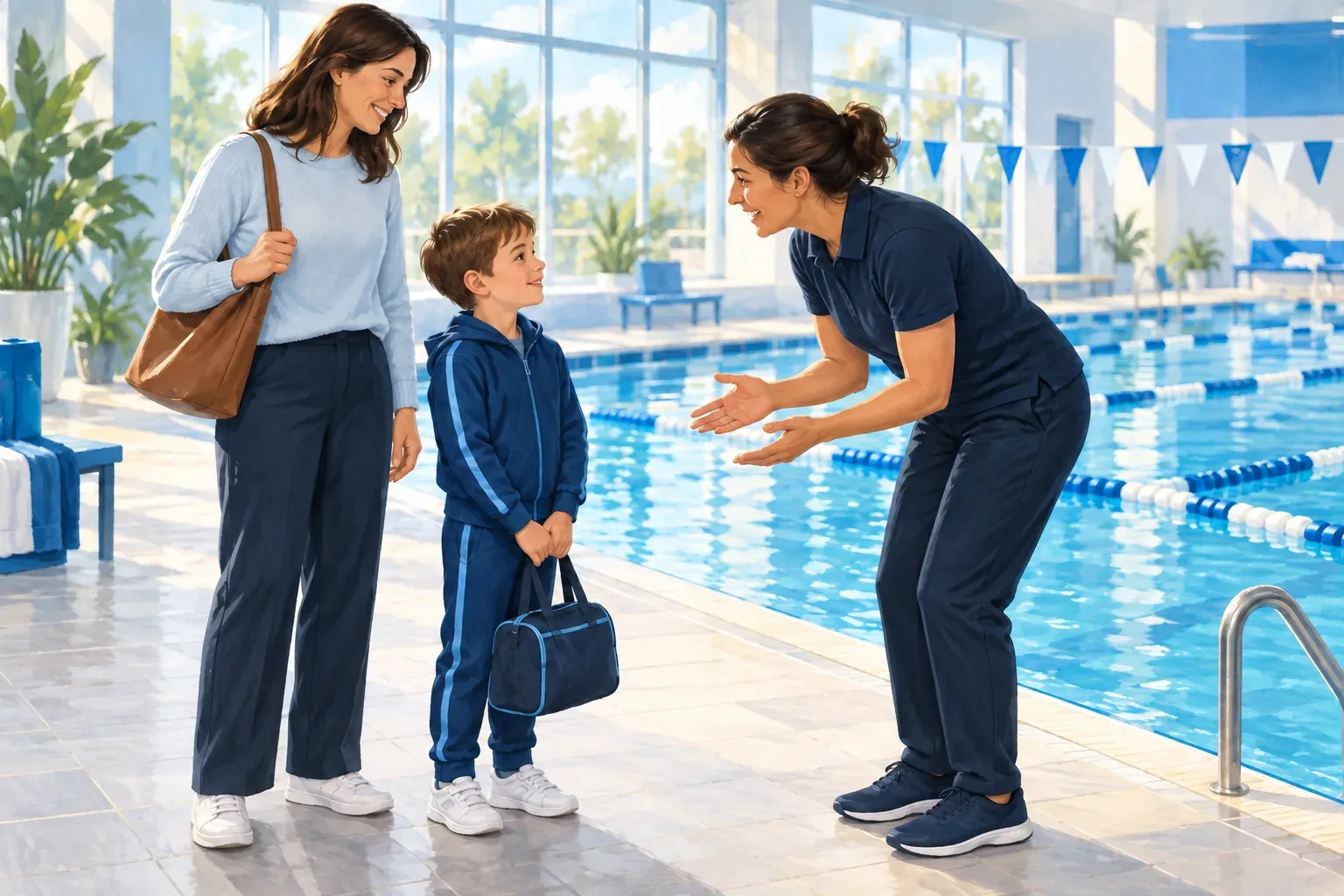
What are the benefits of swimming lessons for children?
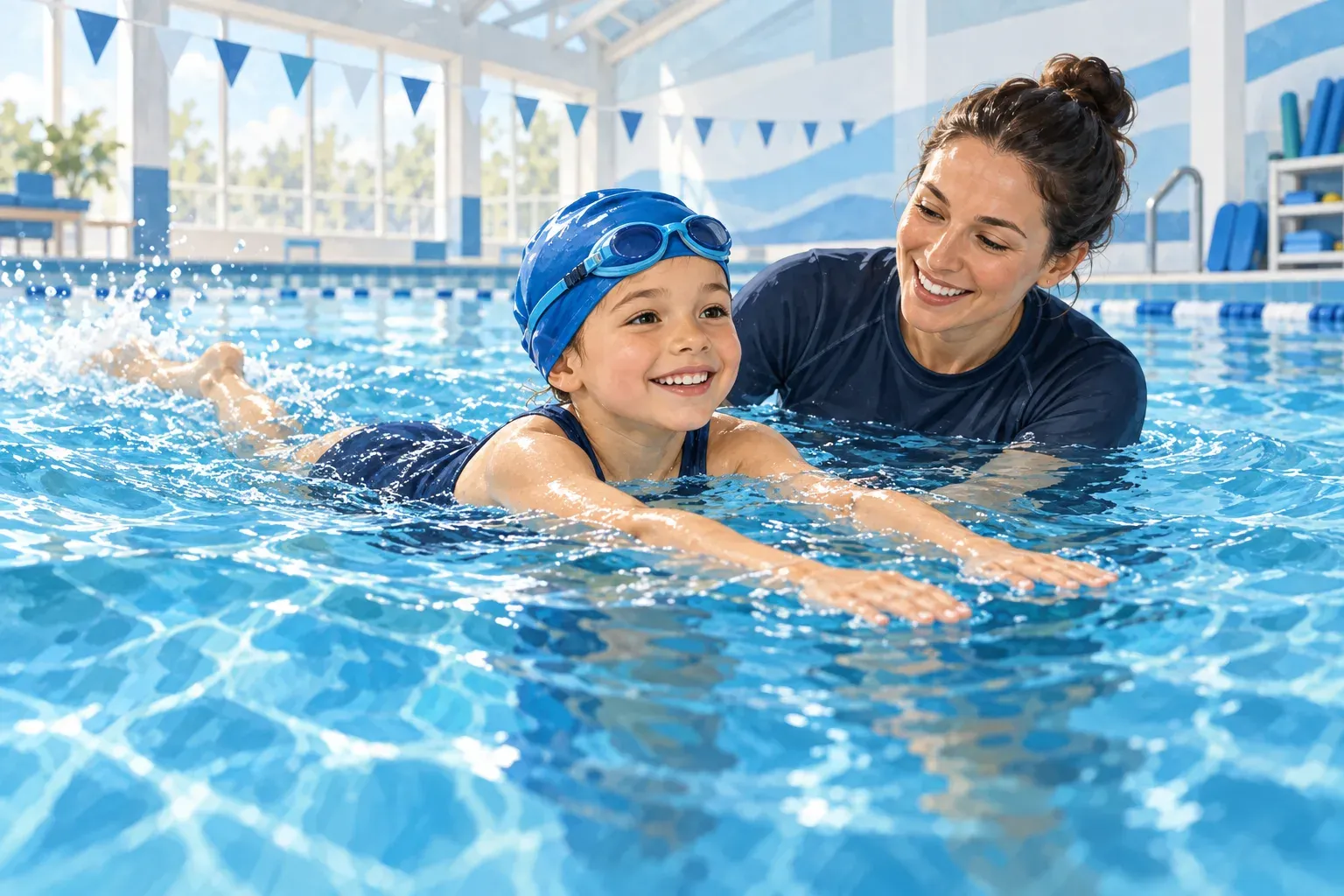
Swimming lessons combine physical activity with learning to move in water and developing safer habits. They can also offer opportunities to build confidence and social connections. Their value is greatest when tasks suit the child and progress means more than distance. Swimming ability must always be accompanied by adult supervision.
Swimming adds variety to everyday physical activity
A pool offers an opportunity to be active while learning different movements. The World Health Organization recommends that children aged 5–17 average at least 60 minutes of moderate to vigorous activity daily across the week. Swimming can contribute, although a scheduled lesson does not show how much activity actually happens.
Beginners need explanations, practice, rest and time to take turns. An hour at the pool is not automatically an hour of vigorous exercise. Ask about opportunities to practise. Leave room for walking, outdoor play and other enjoyable activities.
For example, a family could combine swimming with an active school journey and weekend park games. This is more flexible than expecting one club to meet every movement need. Consider travel time, too: constant rushing can make even an enjoyable activity difficult.
Children practise coordinating their whole body in water
Swimming involves coordinating arms, legs, body position and breathing. Swim England's core aquatic skills include floating, balance, rotation, orientation and movement coordination. This explains why a lesson involves more than travelling from one poolside to the other.
A child may not cover a long distance yet but may perform a demonstrated movement more accurately. They might notice that rushing disrupts their rhythm, while a calmer attempt gives them better control. This is worthwhile learning: try a task, receive an explanation and refine the next attempt.
Ask the instructor about the current learning goal rather than correcting every technical detail yourself. This makes repeated exercises and progress easier to understand. Asking what became more precise today focuses on skills rather than being the fastest in the group.
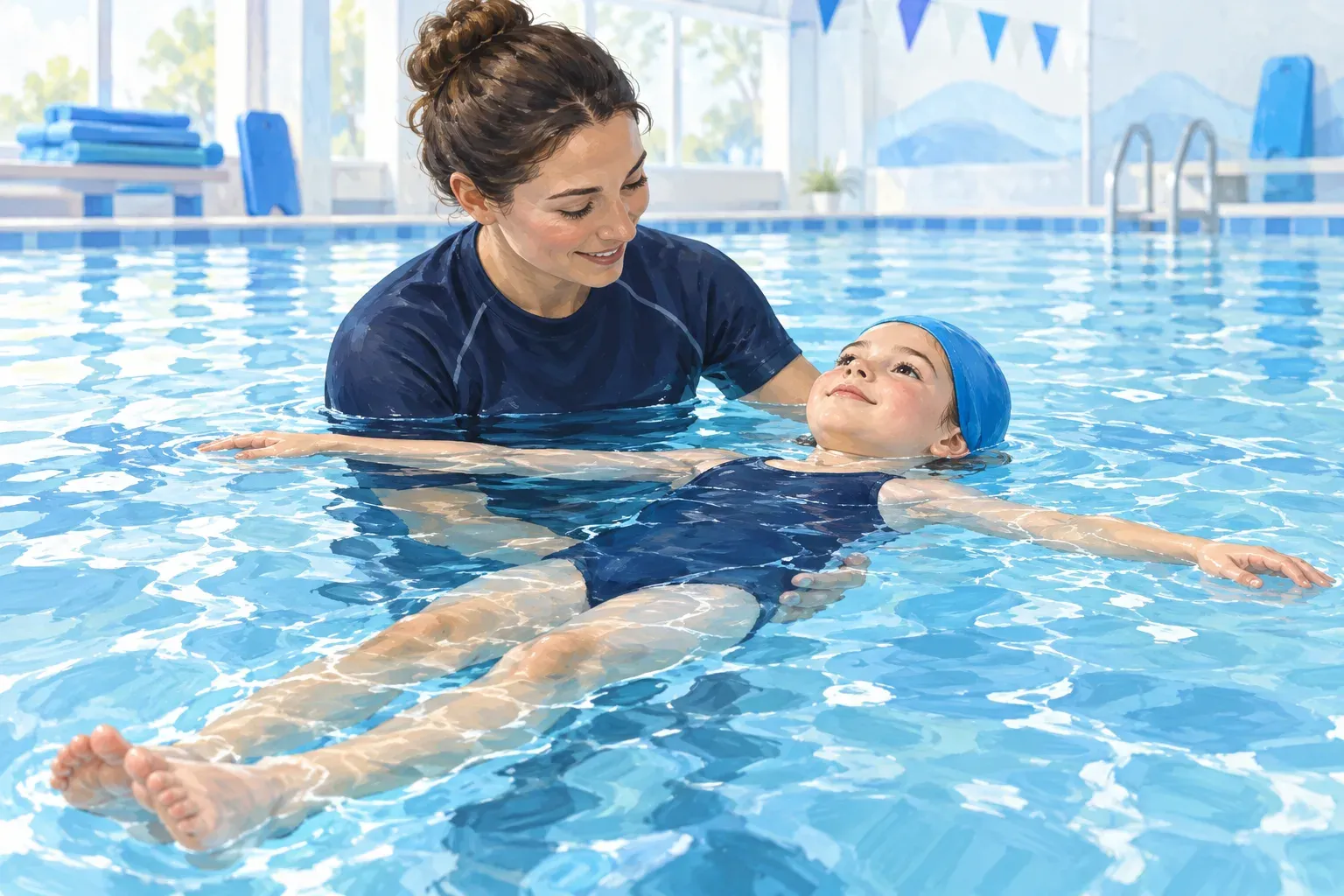
Lessons teach practical water skills and safer habits
An important benefit is developing abilities needed in the water itself. LTU Aquatics describes floating, moving in water and safety rules together. Swimming ability should therefore be assessed more broadly than an attractive stroke or one successful attempt.
Ask whether your child understands instructions, knows when they may enter the water and can say when a task feels too difficult. An instructor's explanation of what they do independently and where they need help is more useful than a general report that they are doing well. It also helps families avoid asking children to demonstrate unfinished skills during an outing.
The American Academy of Pediatrics stresses that lessons are only one layer of drowning prevention and cannot replace attentive adult supervision. Becoming more confident does not mean being ready to swim alone. Parents remain responsible as abilities develop.
Small achievements can support confidence
Manageable challenges and recognised progress can help confidence grow, a benefit highlighted by Swim England. However, joining lessons does not automatically make every child confident everywhere. Confidence in a particular skill and overall self-esteem are different things.
Imagine a task previously needing lengthy explanation being completed after one reminder. Acknowledge exactly that: they remembered what to do. Specific feedback directs attention towards effort and learning, without requiring the child to fulfil ambitious adult expectations.
Allow room for difficult days. One unsuccessful attempt does not erase earlier learning. Ask whether your child understood the task and what help they would like next time. Being able to say that something is still difficult makes it easier for parents and the instructor to agree on an appropriate next step.
Group lessons offer opportunities to communicate
Group lessons create everyday social situations: listening, waiting a turn, following agreements and noticing another child nearby. These are opportunities to practise participating in a group. Friendship and comfort are not automatic, however. Much depends on how the instructor organises activities, responds to differences and explains shared rules.
Instead of only asking whether your child made friends, ask whether they knew what to do while waiting or felt comfortable asking for help. A quieter child can enjoy a group without having a close friend there; an energetic child may need clearer expectations.
If your child regularly feels excluded or fears making mistakes in front of others, simply encouraging more effort is insufficient. Discuss a specific observation with the instructor. The social value of lessons depends on the environment, so consider the group experience alongside technical achievements.
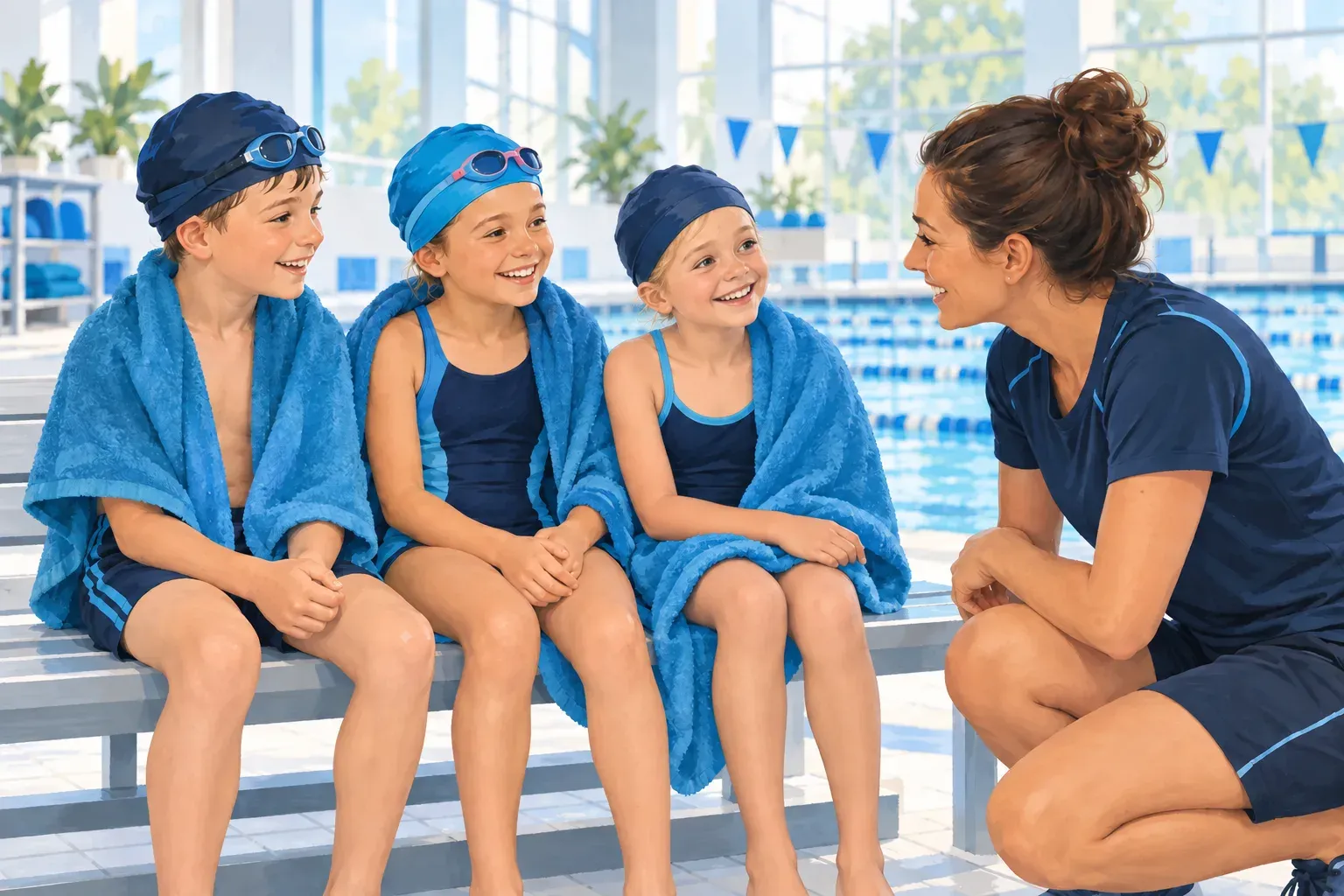
Enjoyment helps children discover an activity they like
Having something to look forward to matters. The US Centers for Disease Control and Prevention notes that swimming can improve mood. This is a possible general benefit, not a promise of happiness after every lesson or a solution to emotional difficulties.
One child enjoys the feeling of water; another likes a clear task or noticing improvement. Understanding their interest makes it easier to discuss lessons in their own terms. Ask which activity they would repeat and what felt uncomfortable. Enjoying a game is just as legitimate as being interested in stroke technique.
Avoid treating the pool as punishment or a way to exhaust a child. Connect lessons with useful skills, interesting activities and manageable demands. If family evenings repeatedly become difficult after swimming, review the timing, overall schedule and expectations rather than assuming greater tiredness means greater benefit.
What swimming lessons cannot guarantee
Swimming should not be presented as a universal treatment. The activity and learning benefits discussed here do not justify promises that lessons will correct posture, prevent every illness or guarantee better school results. Health concerns need individual assessment, and a club cannot replace prescribed treatment.
Choose a meaningful, observable aim instead: becoming familiar with water, acquiring basic skills, moving more accurately or discovering an enjoyable activity. This gives families and instructors something concrete to discuss when considering whether lessons meet their needs. Clarify differing expectations early, rather than waiting for vaguely defined changes in health or personality.
A competitive future need not be planned. Children can learn consistently for recreation. Discuss sporting ambitions later, if the child becomes interested and the instructor can explain the next stage.
Choosing a worthwhile start in Klaipėda
Before registering, identify your main aim and talk with your child. Some need the basics; others want to improve existing skills. Tell the instructor what your child has tried, how they feel in water and what help they might need. This supports a discussion about an appropriate group and direction.
Fedo Physique offers children's swimming lessons in Klaipėda from age four at Klaipėdos baseinas, Dubysos g. 12. Visit the service page for current registration details, prices and schedules. Discuss your child's experience, group suitability and how you can hear about their learning. Clear expectations help you recognise the benefits that matter to your child.
Frequently asked questions
Can swimming benefit a child who already does another sport?
Yes. It can add water skills and different movements. Consider their total schedule, rest and interest so another activity does not become a constant rush.
Are lessons worthwhile before my child can swim a full length?
Yes. Understanding tasks, controlling body position and following water rules are meaningful achievements. Ask the instructor what your child is learning and what they can already do.
Does swimming guarantee stronger immunity?
No such guarantee exists. Choose lessons for activity, skills and a suitable learning experience, rather than a promise that your child will stop getting ill.
Are lessons suitable for children who dislike competition?
Children can learn without aiming to compete. Explain your goals before registering and ask whether the group's tasks and communication style would suit your child.
How can I praise my child to support confidence?
Name a specific action or effort: something remembered, performed more accurately or asked about. Avoid comparisons with other children and demands to beat the previous result every time.
Does greater water confidence mean greater safety?
Confidence does not reveal every swimming ability. Discuss skills with the instructor and continue attentive supervision. Lessons are not a reason to let a child swim alone.
What should I ask if I cannot see any benefit?
Ask about the current goal, acquired skills and difficulties. Share how your child feels after lessons. Specific observations help you discuss the group, tasks or expectations.
Sources
This article draws on the following guidance and publications.