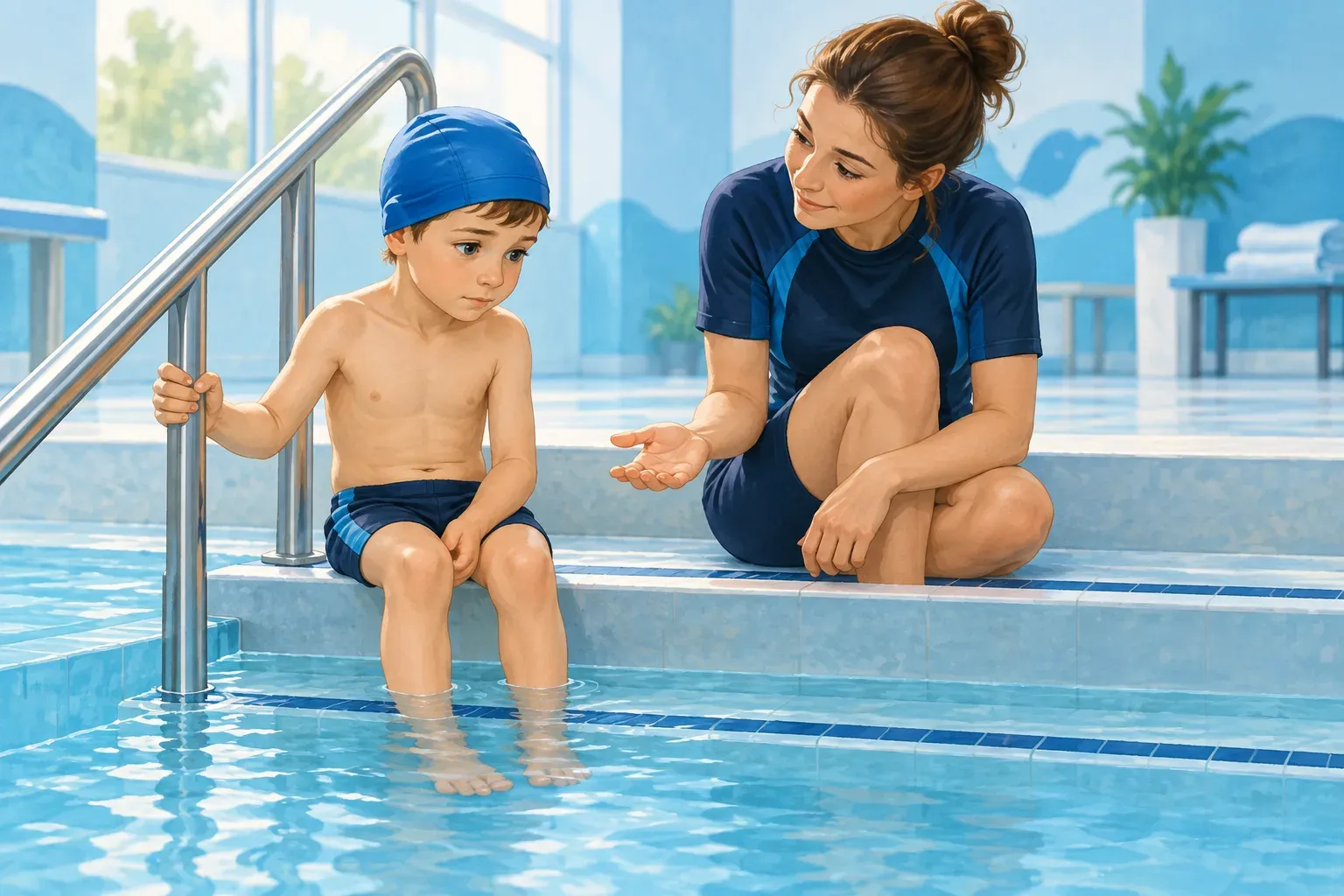
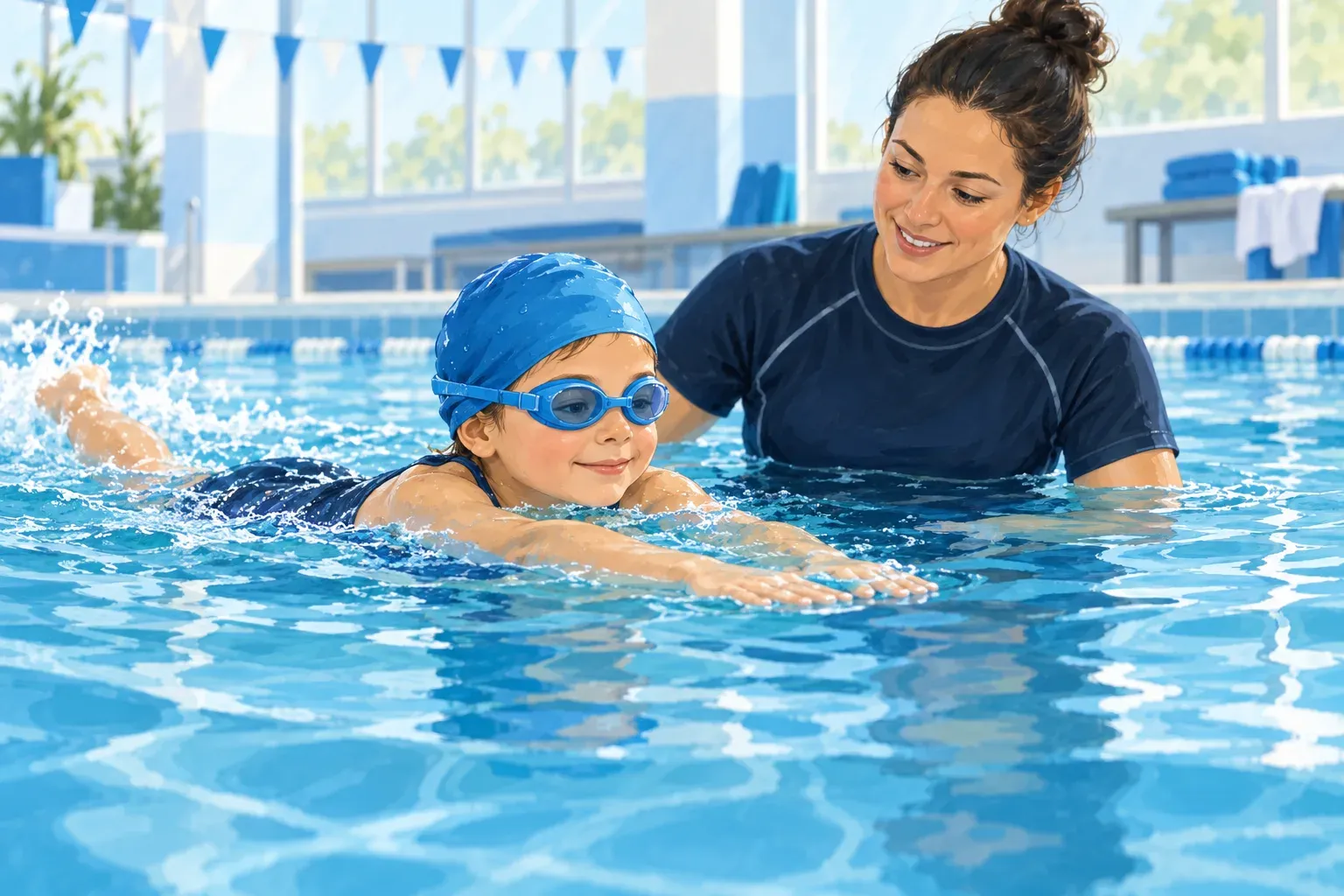
What age should children start swimming lessons?
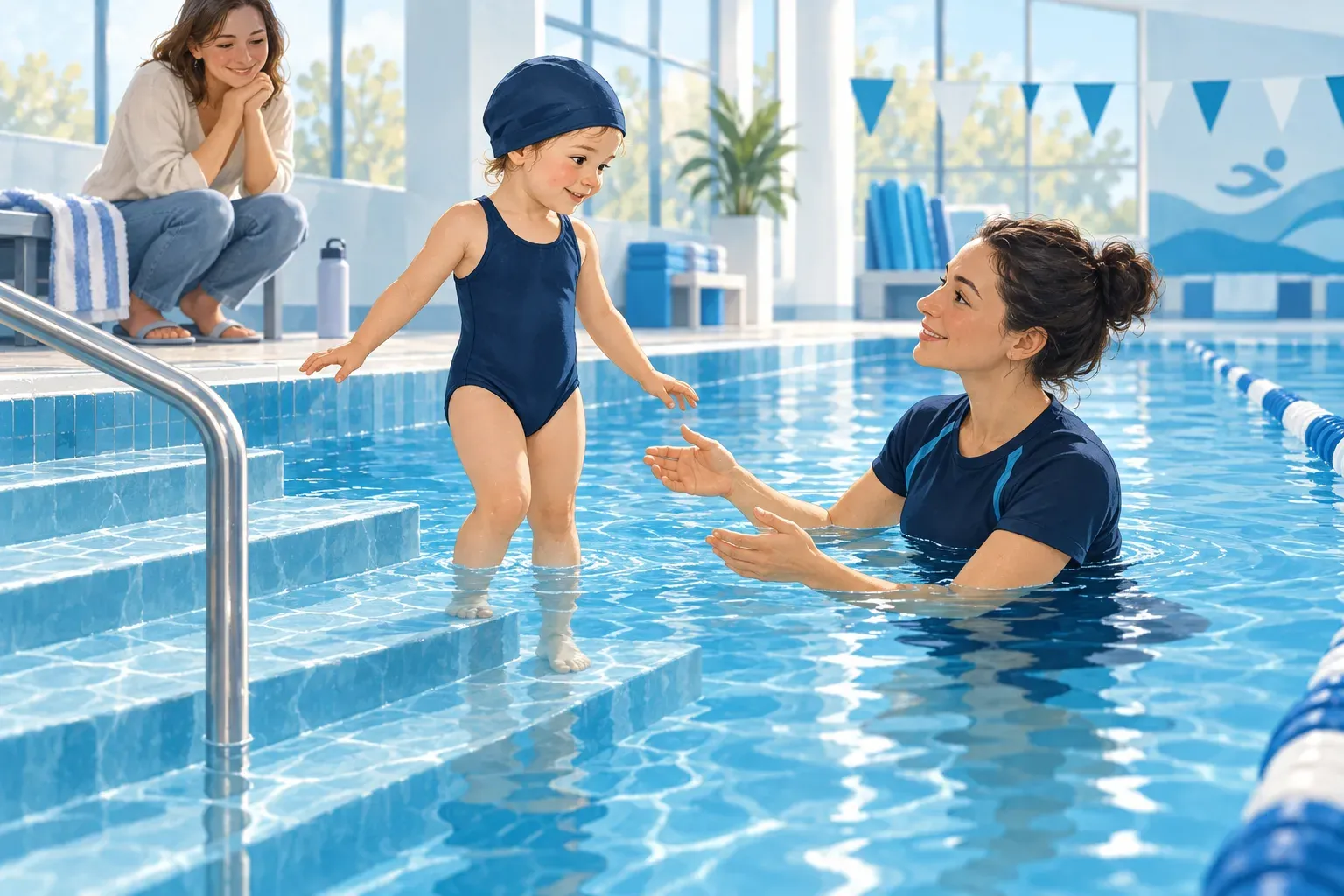
Around four is a suitable age for many children to begin regular swimming lessons, although a birthday alone does not determine readiness. Younger children may benefit from age-appropriate classes with parents. Consider your child's comfort in water, communication with an unfamiliar adult and the programme's arrangements. Fedo Physique swimming lessons in Klaipėda welcome children aged four and over.
Is there a best age to start swimming lessons?
The American Academy of Pediatrics (AAP) says suitable lessons can begin from age one for many children; most are ready around four. This is not a universal deadline or a requirement to swim by a particular birthday.
Alongside asking whether it is time, ask which lessons would suit your child now. One four-year-old readily accepts an unfamiliar adult's help; another needs more explanation and familiarity. Discuss these differences beforehand to choose a realistic starting point. Admission to an age group does not, by itself, establish how much support an individual child needs.
Water familiarisation and learning to swim are different
Baby and toddler activities also use the word swimming, which can suggest every age group learns the same things. For example, the American Red Cross programme involves parents in toddler classes and offers a separate foundational programme for four- and five-year-olds. This illustrates one teaching system; it is not a rule for Lithuanian pools.
Before choosing a class, ask what its name means: shared parent-child games, aquatic skills or structured swimming instruction. Enjoyable pool visits are valuable experiences, but should not automatically be described as independent swimming. Equally, having never visited a pool does not prevent a child from starting with the basics.
What can your child tell you about readiness?
The AAP considers emotional maturity, physical development and individual needs relevant to choosing a starting point. Discuss any health or developmental questions with your child's doctor. Read its explanation of individual readiness.
Prepare everyday observations for the instructor. Can your child say when something is unclear? How do they respond when an unfamiliar adult demonstrates something? Is their main concern water, noise or separation? This is not a home eligibility test: never check readiness in deep water or demand that they submerge their head.
Note what helps, too. Perhaps seeing a demonstration reassures them, or they need advance explanations. This is more useful than simply calling them shy and helps communicate your family's expectations.
Mention communication needs: which language is easiest, and whether they ask questions readily or need encouragement. Children cannot always explain their needs precisely; your observations can help fill that gap.

Swimming lessons from four: what does starting involve?
Starting lessons and swimming a distance independently are different milestones. Swim England's core aquatic skills include breathing, floating, balance, movement, and safe entry and exit. An instructor combines these according to the child's readiness.
Agree on a small initial goal. It might concern understanding a task or participating in learning, rather than quickly completing a whole length. Ask the instructor to explain the current learning focus and changes they observe. This helps distinguish early learning from the final result parents may picture.
Avoid comparing a four-year-old's first steps with older siblings or friends. Even children starting lessons together can have very different previous experiences.
Why do some recommendations mention age six?
Different ages do not necessarily mean conflicting advice. The World Health Organization's 2021 guideline addresses basic swimming and water safety programmes for children aged six and over. That defines the public-health recommendation's scope; it does not establish that suitable lessons are prohibited for younger children.
Check which activity an age recommendation describes and whom it serves. School programmes, parent-toddler sessions and pool beginner groups can have different aims. Understand the chosen class instead of trying to reconcile every programme description through one number. If an advertisement gives only an age limit, also ask how existing skills affect placement.
Is seven or ten too late to begin?
A fourth birthday is not a missed opportunity for a child who has not learned to swim. Look for classes that consider age and starting ability together. Older beginners should know that learning the basics is welcome and that nobody expects skills they have never practised.
Avoid saying everyone in their class can already swim. Discuss where swimming would be useful and what they want to learn. Describe experience accurately when registering: pool visits, swimming with aids and independent swimming mean different things. Instructors need an honest starting point; children should not feel obliged to exaggerate to join their peers.
Listen to their expectations. Wanting to join friends and wanting to learn a particular stroke can suggest different pictures of lessons. Help communicate that wish to the instructor and clarify where learning would actually begin.
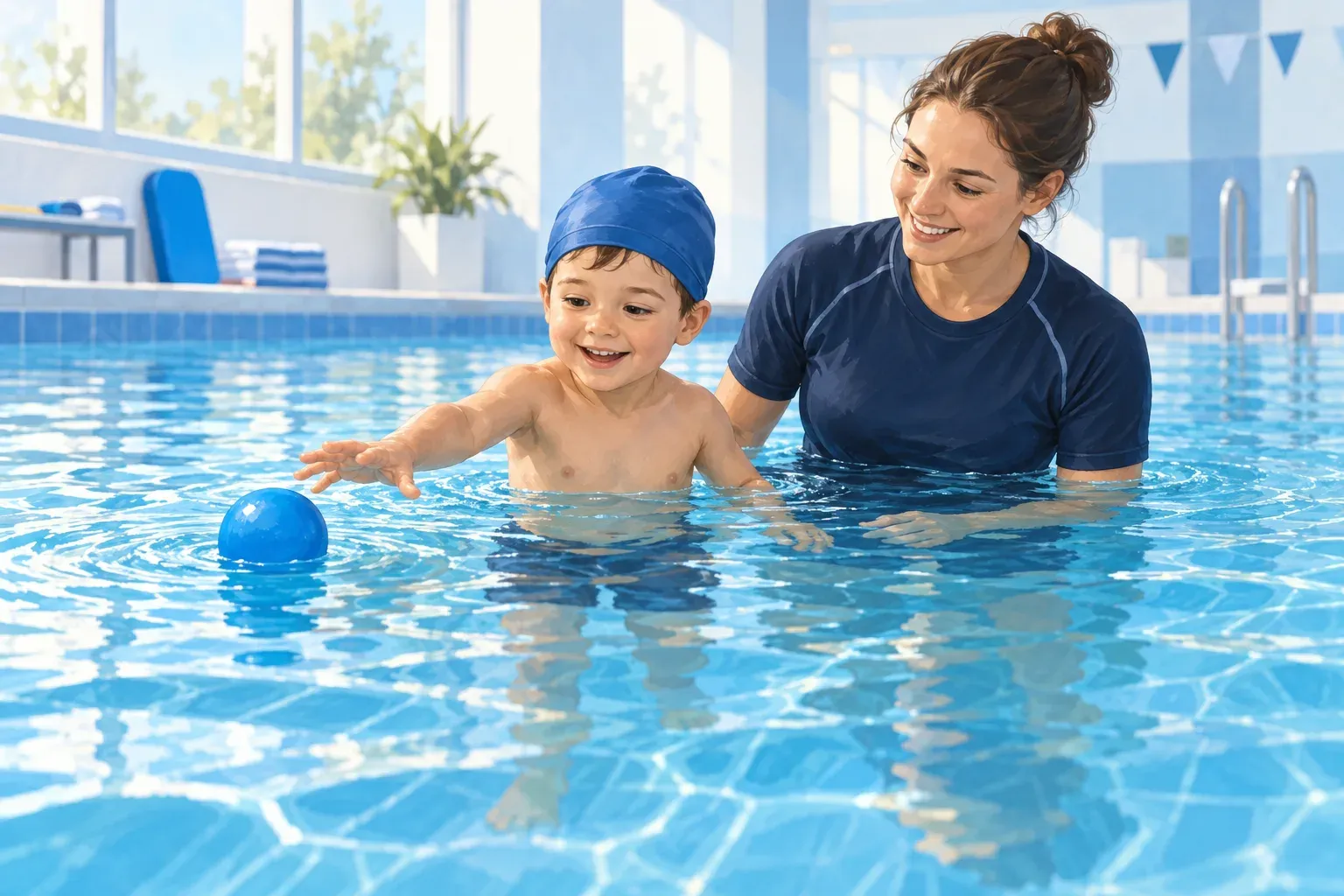
When should you discuss additional support first?
If unfamiliar environments, spoken instructions or health needs present difficulties, share this before registering. Ask what support the provider can offer and whether the available group is suitable. The word beginner does not automatically imply particular individual arrangements.
Organise the conversation around previous experience, difficult situations and what usually helps. This allows specific options to be discussed instead of assuming the child is too young or will simply adapt. If finding suitable lessons takes time, agree on a next step: another conversation, further group information or medical advice about a particular health question.
Swimming lessons never replace adult supervision
An early start or a certain number of lessons never justifies leaving a child alone near water. The American Red Cross emphasises close, constant attention and multiple protective measures. Swimming ability is only one part of water safety.
Agree clearly which adult is supervising. Describe achievements precisely: say that your child practised floating today, rather than suggesting they can now swim alone. Age, confidence and trust in an instructor should not become permission to test limits independently. A holiday pool, lake or sea is not automatically an extension of practised lesson activities.
Choosing children's swimming lessons in Klaipėda
Fedo Physique children's swimming lessons in Klaipėda welcome children from age four at Klaipėdos baseinas, Dubysos g. 12. The service page has current registration information, schedules and prices. Discuss a suitable group and your child's circumstances before booking.
Give their age, previous water experience and your main question. For example: 'My child is four, has visited a pool with us but never attended lessons; we would like to discuss a suitable start.' These details turn a general age question into a decision about your child's current needs.
When comparing programmes, note their answers about age, beginners and necessary support. Choose using specific information alongside other families' experiences, rather than relying on an appealing class name.
Frequently asked questions
Can children join without previous swimming experience?
Yes. Beginner lessons can welcome children who have never learned. Explain their lack of lesson experience and discuss a group suited to their age and starting ability.
Are baby swimming classes necessary before later lessons?
They are not a prerequisite. Tell the instructor about any earlier experience, but having none does not automatically mean your child is behind.
Can my three-year-old join Fedo Physique?
Fedo Physique's current children's swimming service starts at age four. For a younger child, seek an explicitly age-appropriate programme and ask about parent participation.
Must my child already be able to put their face underwater?
Do not treat this as a universal entry requirement. Explain their comfort level and ask about the particular group. Avoid making them demonstrate readiness at home or in a pool.
Should siblings start lessons together?
You can discuss this preference, but consider each child's age and initial ability. A convenient family schedule does not necessarily mean one group will suit both.
Is a shy four-year-old too young for lessons?
Shyness alone cannot establish that. Discuss their concerns and how the provider might help them become familiar with lessons. Consider age and emotional comfort together.
Should we wait until summer to start?
Choose a start that fits suitable lesson availability and family routines. A holiday date should not become a promise that your child will acquire particular skills by then.
Sources
This article draws on the following guidance and publications.