Child Wants to Stop Swimming Lessons: What Can Parents Do?

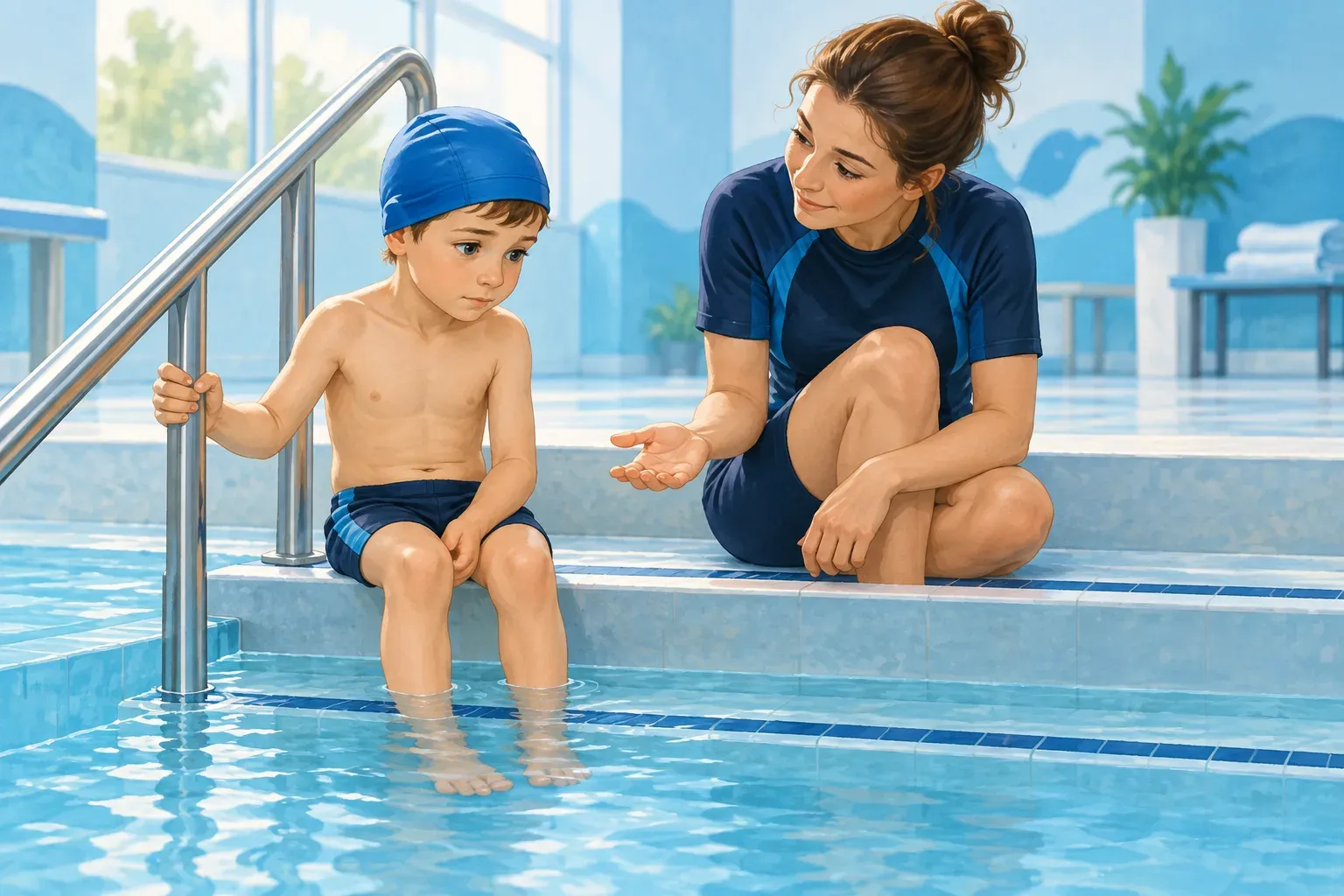
If your child no longer wants swimming lessons, calmly explore what has changed. The difficult part might be leaving home after a long day, keeping up with the group or pursuing a goal they no longer want. Listen, speak with their swimming teacher and agree on an adjustment or a break. One argument at the door cannot explain the whole problem. This guide is for parents whose children have already started lessons.
When did your child start resisting swimming lessons?
Think back to the first refusal. Was it after a holiday, a different teacher, a group change or the start of school? Note a few circumstances: how your child felt beforehand, what they said afterwards and whether reluctance returns on the same weekday. These notes are for understanding patterns, rather than judging your child. They give you something concrete to discuss instead of assuming laziness.
Separate the journey from the lesson. A child might dislike rushing from school yet enjoy meeting their group. Another may attend for a friend but dread a particular exercise. Smiling afterwards is useful information, but it does not cancel out difficult experiences. Ask which part they enjoyed and what they would change.
Also distinguish today's request from a lasting decision. Missing one session and stopping altogether are different things. Clarify whether your child wants rest, another time or a different activity. Explain what you need to discuss with the provider and when you will take that next step.
How to talk about wanting to stop
Choose an unhurried moment. Children’s Hospital Colorado specialists recommend understanding the reasons for quitting and discussing decisions together. Start with one open question, such as what feels hardest about swimming now. Allow time to answer. A younger child may find describing one incident easier than explaining an overall feeling.
If they do not know, avoid turning this into an interrogation. Return another day or suggest drawing an enjoyable and an uncomfortable part of the lesson. Check your understanding before offering solutions: waiting for your turn feels difficult. Avoid mentioning fees or threatening to remove another favourite activity. Honest answers are easier when your child knows they will not be punished for sharing them.

Could tiredness or a busy week be contributing?
Map school, travel, homework, other activities and rest across the week. Consider how your child feels at their particular lesson time. A late session after two activities differs from an earlier one on a quieter day. Before changing everything, check whether there is time to eat, change comfortably and maintain their usual bedtime.
The American Academy of Pediatrics highlights rest, variety and enjoyment in children's sport; excessive demands can reduce enthusiasm. A few missed lessons do not establish burnout. If your child remains exhausted, reports pain or seems unwell in other settings, discuss this with their doctor. Give the teacher relevant information about how your child feels, without assigning your own diagnosis.
Does the swimming group suit your child?
Ask what too difficult or boring means. Your child might misunderstand instructions, struggle with transitions, wait frequently or compare themselves with an experienced friend. Ask the teacher which skills the group is learning and how your child is managing. Discuss previous experience, confidence and understanding as well as age.
Swim England advises checking understanding: an uncertain learner may simply copy others instead of asking questions. A practical next step could be clearer explanations or reviewing group suitability. Discuss changes with the teacher before promising your child a particular format that may not be available. Ask how you will recognise whether the adjustment is helping.
Build motivation around a small, meaningful goal
Find out what your child wants from lessons. Learning a movement, understanding instructions or asking a question confidently might matter to them. Choose one useful goal with the teacher. For example, your child could identify which part of an exercise they understand and which needs another demonstration. Every lesson does not need to become a test or a written progress record.
Sport England's research overview links positive experiences, enjoyment and confidence with wanting to be active. This does not mean one game will restore motivation. Ask what your child understood today instead of why a friend swims faster. Enjoying lessons need not immediately lead to competition. Learning to swim and pursuing sporting results are separate conversations.
What to discuss with the swimming teacher
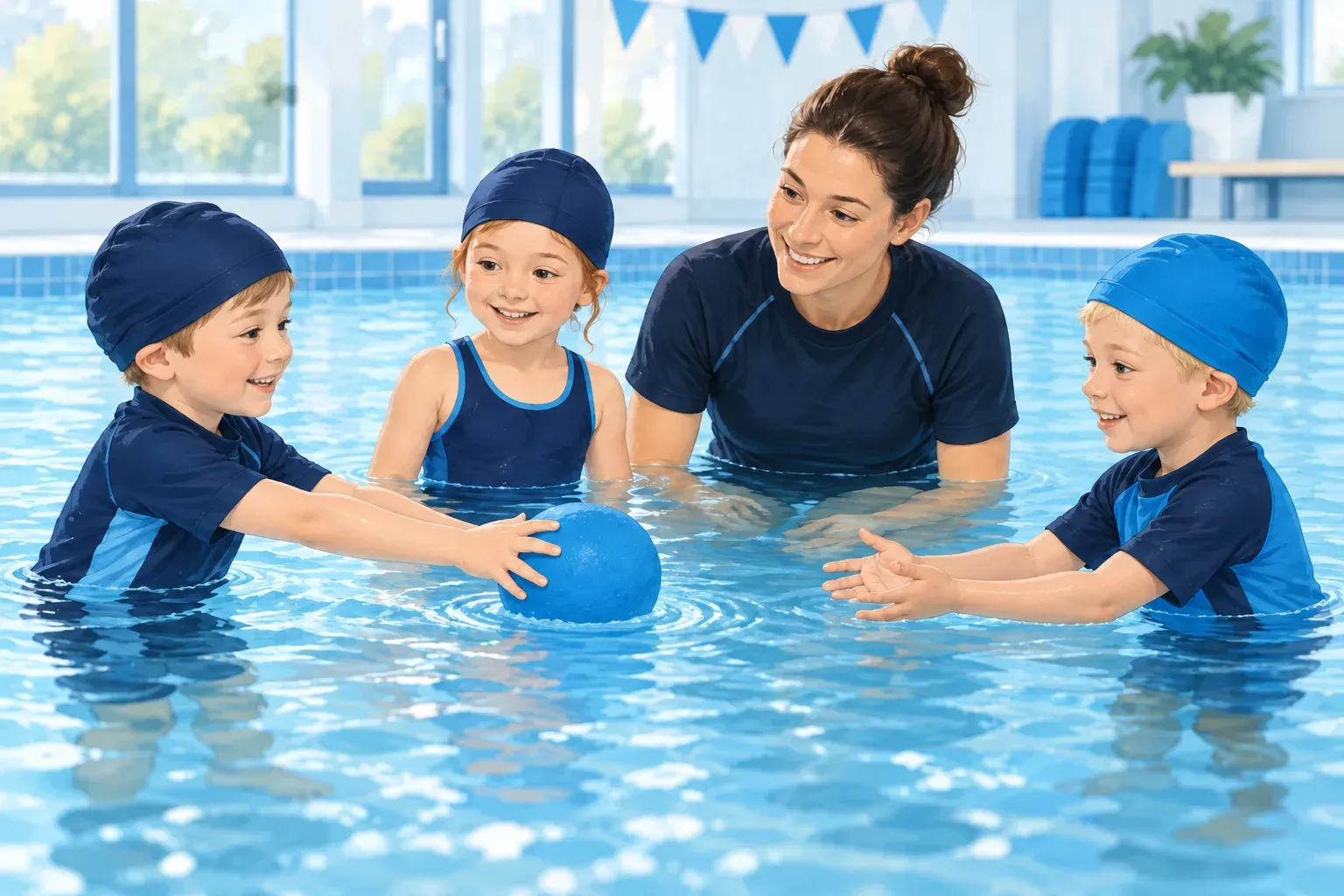
Arrange a conversation when the teacher is free from supervising a lesson. Describe what changed and share one or two examples. You might explain that your child resists leaving and says the next exercise is unclear, then ask what the teacher notices. Home and pool behaviour can differ; one account does not necessarily disprove the other.
Agree what to change first, who will explain it and when to review things. This might mean a different time, clearer feedback or reconsidering the group. Keep personal difficulties out of group conversations. The NSPCC recommends listening, recognising progress and communicating with activity providers. Tell your child what was agreed and invite them to explain how it feels.
When encouragement to persevere is inappropriate
If your child describes humiliation, bullying, threats or unsafe behaviour, address safety first. NSPCC Sport advises taking reports seriously, recording circumstances and informing the responsible person. Do not expect a child to resolve an adult responsibility. Consider returning only after understanding how a safe environment will be maintained.
Distinguish motivation difficulties from fear of water. If submersion, depth or a distressing pool incident is central, discuss a separate adaptation plan with the teacher; see our related water-fear guide. Pain or persistent, marked anxiety is not a discipline issue. Seek appropriate professional support for health concerns or distress that disrupts everyday life.
Should you adjust lessons or take a break?
If the environment is safe and your child agrees to try a change, set a review point. After some lessons at a different time, for example, discuss whether leaving home and participating feel easier. This is a practical agreement, not a deadline for enjoying swimming. Review sooner if things worsen. A break can be a considered choice: agree when to revisit the question without requiring a promise to return.
During a break, your child can choose another enjoyable activity. Water-safety rules remain: the American Red Cross stresses continuous adult supervision regardless of swimming ability. To discuss possible adjustments in Klaipėda, find information and contact details on the Fedo Physique children's swimming lessons page. Explain your child's previous experience and what you would like to discuss before booking.
Frequently asked questions
My child resists going but is happy afterwards. Should I ignore the refusal?
No. Explore what feels difficult beforehand: rushing, changing, tiredness or the lesson itself. Enjoyment afterwards is useful information, but it does not resolve difficulties with getting ready.
Should I offer a present for every swimming lesson attended?
First address the reason for reluctance. A present will not explain an uncomfortable group experience. Recognise a specific effort together and ask what support your child needed.
Must my child finish a swimming course we have already paid for?
Payment should not outweigh safety or health. If the environment is safe, discuss possible adjustments and your child's views. Ask the provider about pause arrangements and payment terms.
Would having a friend in the same swimming group help?
Ask your child. Companionship may matter, but the learning level must also fit. Discuss with the teacher whether one group would meet both children's needs.
My child became reluctant after a change of teacher. What should I do?
Identify what changed: explanations, pace or communication. Share this with the new teacher and discuss adjustment. Reports of inappropriate behaviour require attention immediately.
How long should a break from swimming last?
There is no single suitable duration. Consider the reason, your child's wellbeing and family circumstances. Agree when to discuss returning without making that date a compulsory restart.
Can my child swim without adult supervision after stopping lessons?
No. Previous lessons or distances achieved do not replace adult supervision. Choose the setting and support according to current ability and follow water-safety rules.
Sources
This article draws on the following guidance and publications.
- Children’s Hospital Colorado: when children want to quit an activity
- American Academy of Pediatrics: burnout and enjoyment in youth sport
- Swim England: building confidence in young swimmers
- Sport England: children and young people's activity research
- NSPCC: supporting your child in sport
- NSPCC Sport: preventing bullying in sport
- American Red Cross: swimming safety